Comparativa
The Ebro Delta and the Albufera of Valencia: Two Unique Mediterranean Wetlands
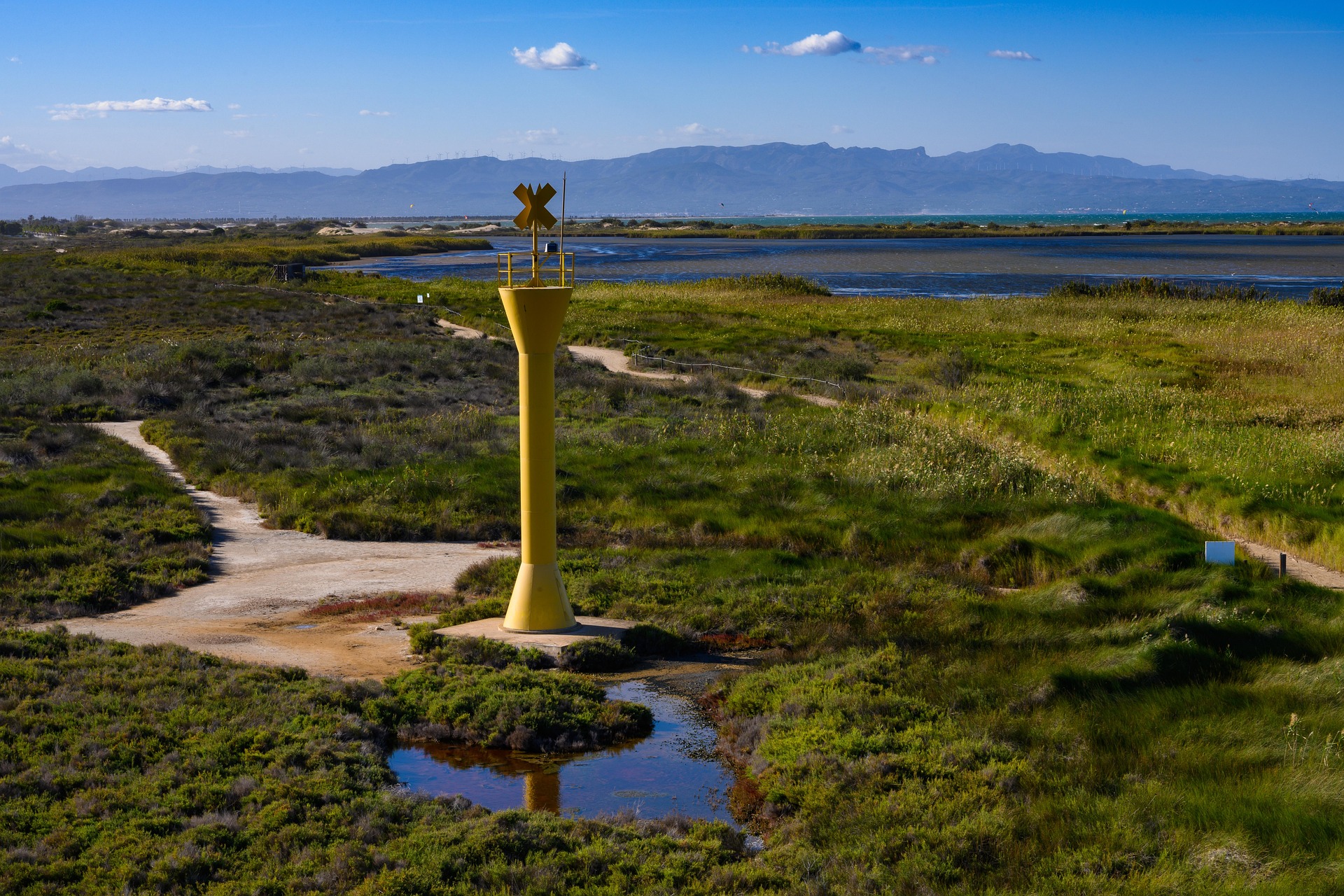
The Ebro Delta and the Albufera of Valencia: Two Unique Mediterranean Wetlands
The Ebro Delta, in the province of Tarragona, and the Albufera of Valencia, in the Valencian Community, are two of the most important wetlands in the Spanish Mediterranean. Although both are known for their rich biodiversity and importance for birdlife, they have distinct characteristics that make them special. In this article, we will compare these two wetlands and give you practical advice on how to visit them.
**Tip:** Before planning your visit, bear in mind the seasonality of each wetland. The Ebro Delta is ideal to visit in spring — April to June is the best time — and autumn, while the Albufera of Valencia is best visited in winter and spring.
Introduction to Wetlands
The Ebro Delta is the largest wetland in Catalonia, covering an area of approximately 320 km². It is formed by the mouth of the Ebro River and is known for its extensive rice fields, beaches, and salt pans. The Albufera of Valencia, on the other hand, is a wetland of approximately 21 km², located on the Valencian coast. It is famous for its lagoon and rice fields, and is an important refuge for migratory birds. It reminds you of when last year, during one of your visits, you saw a large group of avocets in the Albufera.
Birds and Biodiversity
The Delta del Ebro is a paradise for bird enthusiasts. In January, the Encanyissada, one of the most important wetland areas in the Delta, is home to between 8,000 and 12,000 flamingos. — This is impressive — By August, the flamingo population decreases to around 2,000. The Albufera de Valencia is also an important refuge for birds, with over 300 species recorded. Some of the most common species include the osprey, the Montagu's harrier, and the avocet. If you visit in the spring, do not miss the opportunity to see the flamingos in the Encanyissada.
Bird Species in the Delta del Ebro and the Albufera de Valencia
- Delta del Ebro:
- Flamingo (8,000-12,000 in January, 2,000 in August)
- Osprey
- Montagu's harrier
- Albufera de Valencia:
- Osprey
- Montagu's harrier
- Avocet
Rice Fields and Agriculture
The Ebro Delta is known for its extensive rice fields, which have been cultivated since the Middle Ages. Rice production is one of the main economic activities in the area. The arrossaire is a key figure in the local economy. The Albufera of Valencia also has rice fields, although to a lesser extent than the Ebro Delta. The rice fields of the Albufera are famous for their organic rice production. You can visit them in May, when the rice is in bloom, and you will see how beautiful it is.
Beaches and Access
The Ebro Delta has several beaches, such as Trabucador Beach, which is ideal for practising kitesurf. Trabucador Beach is 10 km from La Ràpita and can be accessed by car or bicycle. To get there, we recommend renting a car from Reus Airport (45 min) or Tarragona. The Valencia Albufera also has beaches, such as Malvarrosa Beach, which is popular among tourists. Malvarrosa Beach is 10 km from Valencia and can be accessed by car or public transport. If you prefer a quieter beach, Patacona Beach is a good option.
Access and Beaches in the Ebro Delta and the Valencia Albufera
- Ebro Delta:
- Trabucador Beach (10 km from La Ràpita, free access, no services, ideal for kitesurf)
- Badia Beach (5 km from La Ràpita, free access, with services)
- Valencia Albufera:
- Malvarrosa Beach (10 km from Valencia, free access, with services)
- Patacona Beach (15 km from Valencia, free access, with services)
Accommodation options
At Lo Peix Apartments, we offer accommodation in La Ràpita, just 5 km from the Ebro Delta. It is a perfect place to rest after a day of exploring the wetland. The Albufera of Valencia also has accommodation options, although to a lesser extent than the Ebro Delta. If you prefer to go with a guide, you can view the available tours in the Ebro Delta — kayak, birdwatching, and guided routes — directly here.
Frequently Asked Questions
What is the best time to visit the Ebro Delta and the Albufera of Valencia?
The Ebro Delta is ideal to visit in spring and autumn, while the Albufera of Valencia is best visited in winter and spring. You are advised not to visit in summer, as the heat can be overwhelming.
What species of birds can I see in the Ebro Delta and the Albufera of Valencia?
The Ebro Delta is a paradise for birds, with species such as the flamingo, the osprey, and the Montagu's harrier. The Albufera of Valencia also hosts a wide variety of birds, including the osprey, the Montagu's harrier, and the avocet. You should bring binoculars and a camera to capture the beauty of the wetlands and their inhabitants.
How can I access the Ebro Delta and the Albufera of Valencia?
Access to both wetlands is easy by car or bicycle. The Ebro Delta has several beaches, such as El Trabucador beach, which is ideal for kitesurfing. The Albufera of Valencia also has beaches, such as La Malvarrosa beach, which is popular among you.
Tip: Do not forget to bring sunscreen and a hat, as the sun in the Ebro Delta and the Albufera of Valencia can be very strong.
At Lo Peix Apartments, we are delighted to help you plan your visit to these incredible wetlands. You are advised not to hesitate to contact us for more information. You can be assured that you will enjoy the experience.
(This article contains affiliate links. If you book through them, we receive a small commission at no additional cost to you. It helps us maintain the blog.)