Naturaleza
Birdwatching in the Ebro Delta: flamingos, herons and over 300 species
Locations mentioned
Locations mentioned
Birdwatching in the Ebro Delta: flamingos, herons and over 300 species
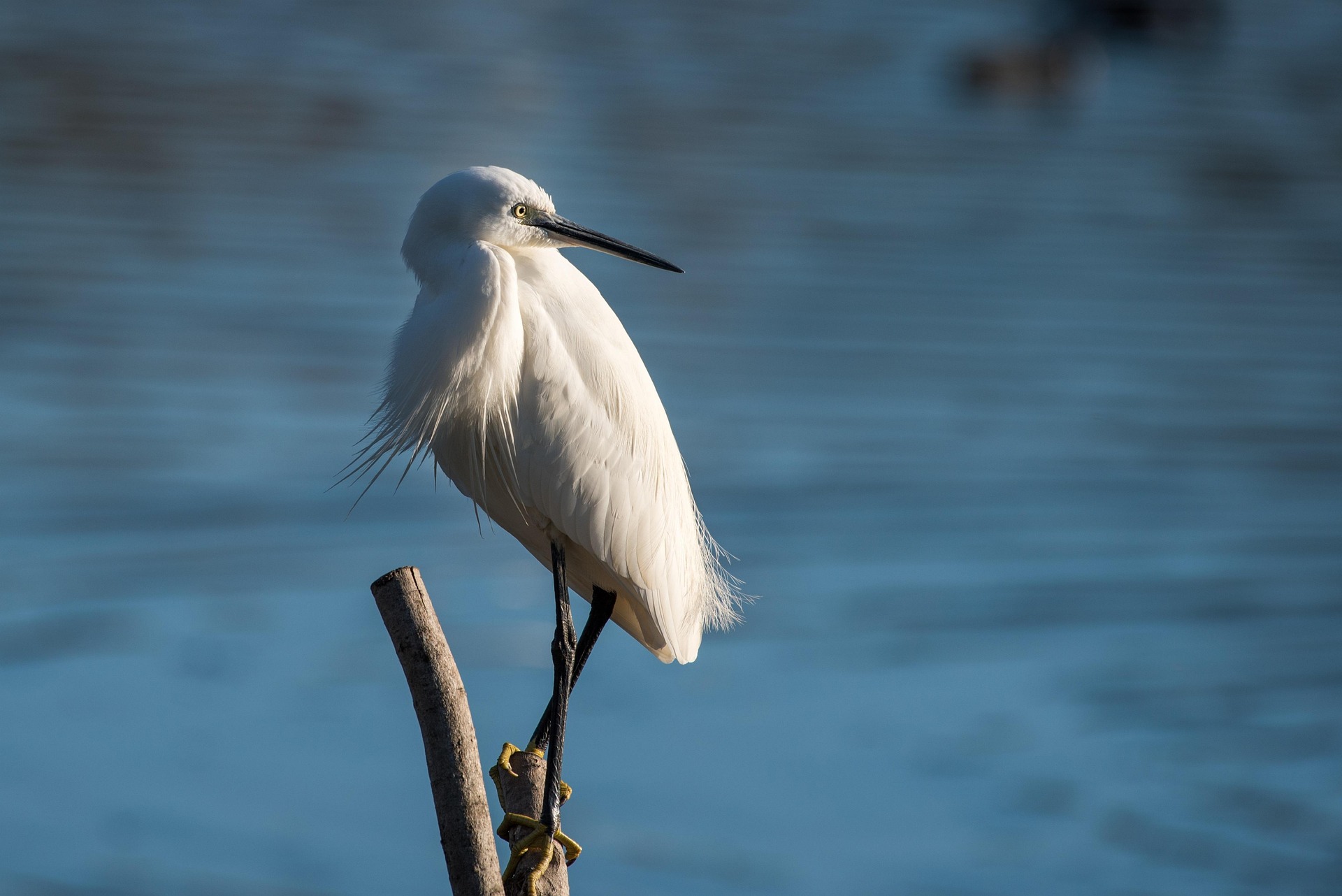
The Ebro Delta is one of the best sites in Europe to see flamingos, herons and over 300 species of birds, and you don't have to be a professional ornithologist to enjoy it. From La Ràpita, you can reach the best observation points in just 15 minutes. This guide tells you where to go, what time of year to choose and what to bring, so that the experience is real and not just a distant photo of a pink dot.
Why the Ebro Delta is a Bird Sanctuary
The Delta is one of the most important wetland areas in the western Mediterranean. More than 350 species pass through here throughout the year, including colonies of flamingos that are now permanent residents. The combination of lagoons, rice fields, salt pans, and coastline creates a mosaic of habitats that you will not find at any other point on the Spanish coast.
Real fact: The flamingos in the Delta are not just passing visitors. There is an established colony that breeds in the Punta de la Banya. You can see them all year round, although in spring and autumn the numbers increase with the migrations.
The 5 Best Birdwatching Spots

1. Laguna de la Tancada
- Distance from La Ràpita: 15 minutes by car.
- What you will see: Flamingos, herons, avocets, and sandpipers. This is the most accessible spot with the best effort-to-result ratio.
- Recommended time: Dawn or late afternoon.
- Access: Free. There are wooden walkways and hides (covered observatories).
2. Punta de la Banya
- Distance from La Ràpita: Visible from El Trabucador, access restricted.
- What you will see: The largest flamingo colony. It can only be seen with binoculars from the El Trabucador bar.
- Important: Protected area, no pedestrian access. A pair of 10x42 binoculars are essential here.
3. Mirador de la Riet Vell
- Distance from La Ràpita: 25 minutes.
- What you will see: Ecological rice fields and the birds that feed on them. The estate belongs to SEO/BirdLife.
- Ideal for: Families — there is an information center and accessible trails.
4. L'Encanyissada
- Distance from La Ràpita: 20 minutes.
- What you will see: The largest lagoon in the Delta. Ducks, herons, and kingfishers.
- Restaurant available: Casa de Fusta (also recommended for fork breakfast).
5. Mouth of the Ebro (Illa de Buda)
- Distance from La Ràpita: 40 minutes.
- What you will see: Seabirds, skimmers, and cormorants. A landscape at the end of the world.
- Access: Only by organized boat tour.
What Equipment to Bring
You don't need professional equipment, but the basics make a huge difference:
- Binoculars: These are the most important item. A pair of compact 8x42 binoculars provide sufficient range without being too heavy. If you're travelling with children, children's binoculars will engage them more than any screen.
- Local Bird Guide: A local bird identification guide makes all the difference between "a large white bird" and "a large egret feeding".
- Discreet Clothing: Neutral colours, nothing bright. Birds are startled by sudden movements and vivid colours.
- Mosquito Repellent: Especially in the lagoons, towards evening. A high-concentration repellent is necessary, not optional.
Best Time by Species
| Species | Best Time | Where |
|---|---|---|
| Flamingos | All year round (peak: April–June) | Tancada, Punta de la Banya |
| Herons | Spring and summer | Encanyissada, Riet Vell |
| Migratory birds | September–November | Mouth of the river, Tancada |
| Kingfisher | All year round | Encanyissada, canals |
| Birds of prey | Autumn–winter | Higher areas of the Delta |
Birdwatching Calendar: When to See Each Species
The table above gives you a quick idea, but if you want to plan your trip based on what you would like to see, here is the breakdown by season with the most reliable observation point in each case:
| Season | Highlighted Species | Best Spot |
|---|---|---|
| Winter (Dec–Feb) | Ducks (shoveler, pintail), cormorants, osprey | L'Encanyissada |
| Spring (Mar–May) | Terns, bee-eaters, migratory passerine wave | Punta de la Banya (from El Trabucador) |
| Summer (Jun–Aug) | Flamingos (stable breeding colony), imperial herons, pratincoles | La Tancada |
| Autumn (Sep–Nov) | Waders (curlews, sandpipers), migratory raptors | Riet Vell, Ebro river mouth |
In winter, the Delta is empty of tourists but full of birds. If you visit in January and get up early, you will have L'Encanyissada almost to yourself. In spring, the prenuptial migration brings species that you will not see the rest of the year — the bee-eaters arrive in April and stay until September, and their colour is stunning even without binoculars.
At La Tancada, we have counted over 200 flamingos on a Tuesday in January at 7:30 am. This is not a brochure figure, it is what you see if you get up early.
Free Bird Identification App: Download Merlin Bird ID from Cornell Lab before you come. It is free, works offline (download the Europe package), and recognises bird songs with your mobile phone's microphone. Point your phone, record 5 seconds, and it tells you which species is singing. In the Delta, where many birds are heard before they are seen, it is a powerful tool.
Tips that make a difference
- Go early. The birds are more active and there are fewer people around. By 7:30 in the summer, the flamingos are already feeding.
- Do not get too close. If the flamingos start to lift their heads and walk, you are too close.
- Be quiet. It may seem obvious, but loud groups scare everything away within a 200-metre radius.
- Combine with cycling. The cycling route through La Tancada takes you to the best observation point, pedalling through rice fields.
Do you know what type of Delta suits you? Take the travel profile quiz and discover whether you are more of a binoculars or paella type.