Naturaleza
The Ebro Delta: a destination for nature lovers
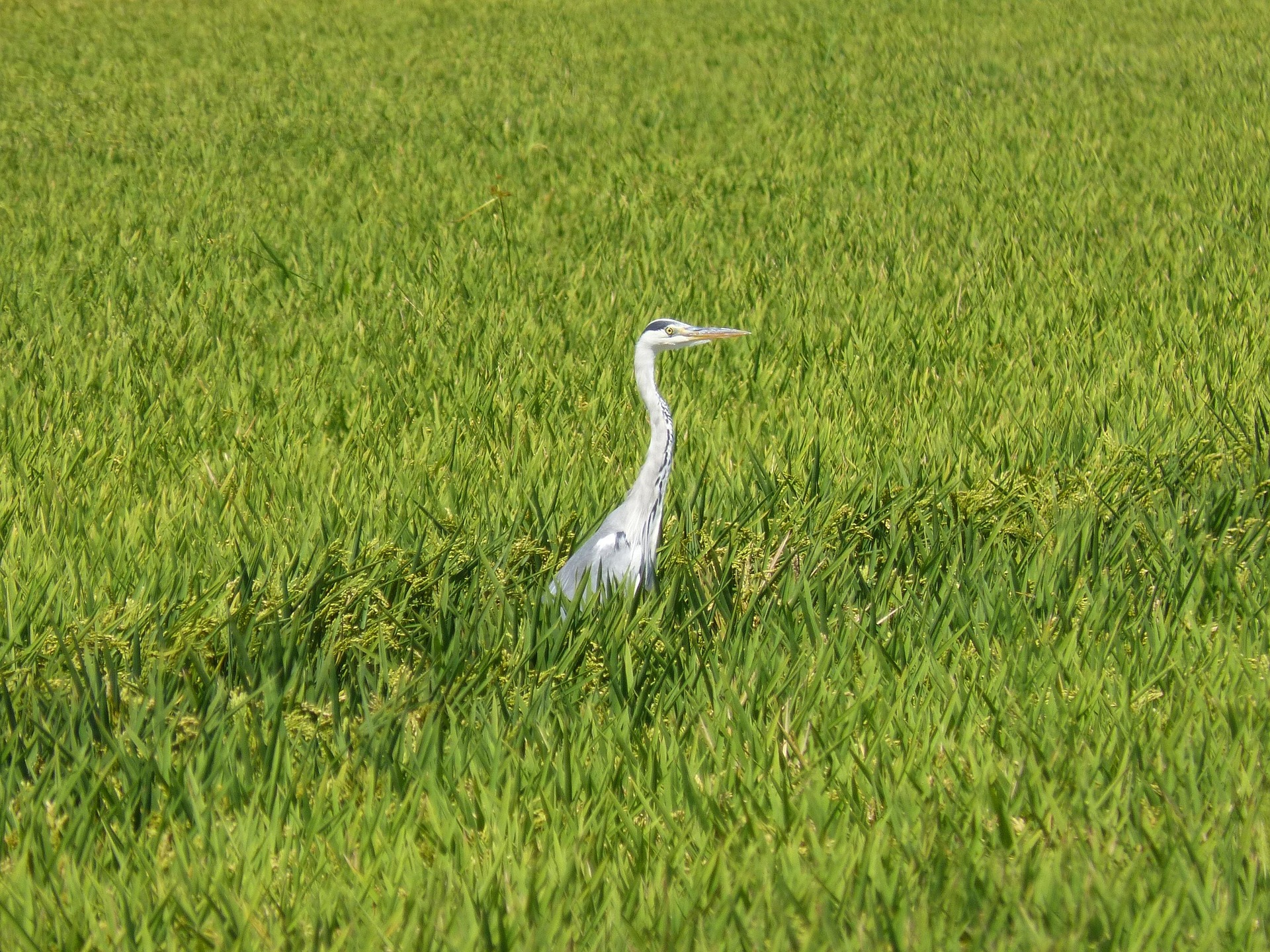
The Ebro Delta: a destination for nature lovers
In the Ebro Delta, more than 60 species of butterflies and 30 of dragonflies inhabit the area. We will guide you through the most common species, where to find them, and the best time to observe them. Additionally, we will provide you with practical tips to plan your visit and make the most of your experience in the Ebro Delta.
**Tip:** Before you start, make sure to check the opening hours of **La Ràpita's fish market**, which opens at 6am and closes at 5pm, to make the most of your visit. This is important — you do not want to arrive and find it closed.
Introduction to the Butterflies and Dragonflies of the Ebro Delta
You live here, in the Ebro Delta. You have learned that it is a paradise for entomologists and nature lovers. With a wide variety of butterfly and dragonfly species, it is the perfect place to observe and learn about these fascinating creatures. Last year, when the mistral had been blowing for three days straight, you had the opportunity to see some of these butterflies in their natural habitat.
Butterflies of the Ebro Delta
Some of the most common butterflies you can find in the Ebro Delta include:
- The cabbage white butterfly (Pieris rapae)
- The green-veined white butterfly (Pieris napi)
- The large white butterfly (Pieris brassicae)
- And, of course, the painted lady (Vanessa cardui), which is one of your favourites.
Dragonflies of the Ebro Delta
As for dragonflies, some of the most common species you can find in the area include:
- The common darter (Sympetrum striolatum)
- The black-tailed skimmer (Orthetrum cancellatum)
- The white-tailed skimmer (Orthetrum albistylum)
- The red-veined darter (Sympetrum fonscolombii), which is quite rare, but can be seen in some areas of the delta.
Where to find butterflies and dragonflies in the Ebro Delta
The Ebro Delta is a vast and diverse area, with different habitats and ecosystems that are home to a wide variety of butterfly and dragonfly species. Some of the most recommended places to observe these creatures include:
- The La Ràpita harbour, where you can find butterflies and dragonflies near the coast.
- El Trabucador, a sandbar that stretches for several kilometres and is home to many species of butterflies and dragonflies.
- Les Salines, an area of salt pans and wetlands that is an ideal place to observe dragonflies and butterflies. Go to les Salines at dawn, when the sun is rising, and you will see an incredible amount of wildlife.
Access by bike or car
The Ebro Delta is an easy place to access, either by bike or by car. The distance from La Ràpita to El Trabucador is approximately 12 km, and from there you can access les Salines in about 5 km more. If you prefer to go by bike, there are signposted routes that allow you to enjoy the scenery while you travel. Make sure to bring enough water and sun protection, as the sun can be very intense. To get to the Ebro Delta, we recommend renting a car from Reus airport (45 min) or Tarragona, as public transport is not very frequent in the area.
Best Time to Observe Butterflies and Dragonflies
The best time to observe butterflies and dragonflies in the Ebro Delta depends on the species you want to see. In general, spring and summer are the best seasons to observe butterflies, while dragonflies are more active during summer and autumn. — This is important — if you want to see butterflies at their best, go in June or July.
Observation Season
The observation season for butterflies and dragonflies in the Ebro Delta runs from April to October, with June and July being the best months to observe the greatest variety of species. Do not worry if you do not know how to identify them, there are guides and experts in the area who can help you. To identify the species, we recommend carrying a field guide like this, which will provide you with detailed information about the butterflies and dragonflies of the region.
Frequently Asked Questions
When is the best time to visit the Delta del Ebro?
The best time to visit the Delta del Ebro depends on your interests and preferences. If you want to observe butterflies and dragonflies, spring and summer are the best seasons. Go at 7am, not at 10am, the difference is drastic.
Where can I find information about the butterfly and dragonfly species of the Delta del Ebro?
You can find information about the butterfly and dragonfly species of the Delta del Ebro at the fish market in La Ràpita, at the information centre of the Ebro Delta Natural Park, or online on websites specialized in entomology. The people at the fish market are very friendly and will give you all the information you need.
What equipment do I need to observe butterflies and dragonflies?
You do not need specialized equipment to observe butterflies and dragonflies, although a pair of binoculars can be useful for observing them from a distance. It is also recommended to bring a field guide or a handbook to identify the species you see. And, of course, do not forget your camera to capture some incredible moments.
Conclusion
The Ebro Delta is a unique and fascinating place to observe butterflies and dragonflies. With a wide variety of species and habitats, it is the perfect place to learn about and enjoy nature. Remember to plan your visit during the observation season and bring the necessary equipment to make the most of your experience. La Ràpita is a charming town, and you will have a great time exploring the area.
**Tip:** If you are planning to visit the Ebro Delta, consider staying at Lo Peix Apartments, which offers 2-bedroom apartments with an outdoor terrace and access to fibre optic wifi. The average price is €100 per night, and it is located just 2 minutes' walk from the port of La Ràpita and 12 minutes' drive from El Trabucador. It is a perfect place to relax after a day of exploring the delta.
(This article contains affiliate links. If you book through them, we receive a small commission at no additional cost to you. It helps us maintain the blog.)