Estacional
Rice Harvesting in the Ebro Delta: A Golden Spectacle
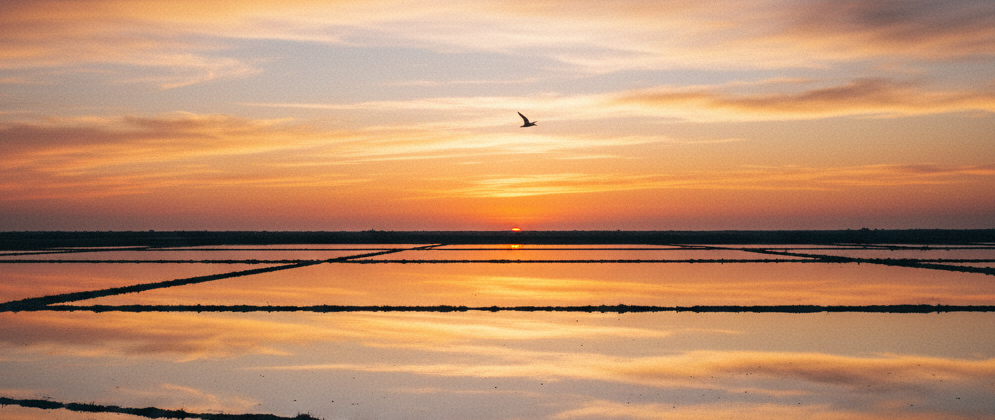
Rice Harvesting in the Ebro Delta: A Golden Spectacle
The arrival of autumn in the Ebro Delta is synonymous with rice harvesting, a process that transforms the landscape into a golden mantle. From September to November, the rice fields of the Delta come alive with life and colour — this is important —, offering a unique experience for visitors. In this article, we will explore the best places to enjoy this time of year, from the best time for photography to the observation of migratory birds.
Remember that the best time to visit the Ebro Delta is during the week, as weekends can be very crowded, especially between 10am and 6pm. Go early, at 7am, and you will see the difference: the sun is not too strong and the air is fresh.
Rice Harvesting: A Traditional Process
Rice harvesting is a long-standing process that has been carried out for centuries, and in the Ebro Delta, it is still done in a traditional manner. The arrossaires (rice farmers) work hard to gather the harvest, which takes place from 15 September to 15 October. During this period, the rice fields are filled with tractors and harvesting machines, creating a unique and exciting landscape. Last year, when the mistral had been blowing for three consecutive days, the harvest was slightly delayed, but the result was just as impressive.
Timetable and Prices
- Rice harvesting begins at 8am and ends at 6pm, from Monday to Friday.
- The admission price to the Ebro Delta is 5€ per person, although there are guided tour options available that cost between 20€ and 50€ per person. I recommend the guided tour: the guides know the Delta like the back of their hand and will show you hidden spots that you would not find on your own.
The Best Time for Photography
The rice harvest is an ideal moment to capture incredible photos. The golden rice fields, migratory birds, and farmers working in the field create a perfect scenario for photographers. Some of the best places to take photos are the Encanyissada, an area of rice fields and canals that stretches for over 10 km, located 10 km north of La Ràpita; the Barraca de la Lonja, a traditional building that is found in the heart of the Delta, 5 km east of La Ràpita; and the Playa del Trabucador, a 3 km long beach that is located on the coast of the Delta, 12 km south of La Ràpita. You should not miss the sunset at the Playa del Trabucador: it is a spectacle that will leave you breathless.
Coordinates and Distances
- La Encanyissada: 40.6333, 0.7833 (10 km from La Ràpita)
- La Barraca de la Lonja: 40.6167, 0.7833 (5 km from La Ràpita)
- La Playa del Trabucador: 40.6333, 0.7667 (12 km from La Ràpita)
Bird Migration Observation
The Ebro Delta is a key location for observing migratory birds. During the rice harvest, you can see species such as the pink flamingo, the glossy ibis, and the osprey. The Encanyissada is an ideal place to observe birds, as it is located in the heart of the Delta and offers a wide variety of species. The Barraca de la Lonja is also a good spot, as it provides panoramic views of the area. And if you want to see seabirds, the Trabucador Beach is the perfect place.
Seasonal Months
- September: the rice harvest begins and migratory birds start to arrive, with a peak in activity between the 15th and 30th of September.
- October: the rice harvest is in full swing and migratory birds are abundant, with a maximum of 10,000 individuals recorded in the area.
- November: the rice harvest ends and migratory birds begin to leave, although some species may remain in the area until the end of November. Do not worry if you do not see all the species in one day: the Ebro Delta is a place that requires several visits to appreciate its beauty in all its splendor.
How to get there and get around the Delta
The Ebro Delta cannot be easily explored using public transport. You are recommended to rent a car from Reus airport (45 min) or Tarragona. Compare prices and book your car here to ensure you have the perfect vehicle to explore the Delta.
Conclusion
The rice harvest in the Ebro Delta is a unique spectacle that offers an unforgettable experience for visitors. The combination of the rice harvest, the observation of migratory birds, and the natural beauty of the Delta makes this time of year the perfect time to visit the area. So go and enjoy the Ebro Delta in autumn: you will not regret it.
Tip: Take your camera and binoculars to capture the best photos and observe the migratory birds. And do not forget to bring a pair of sunglasses and a hat: the sun can be intense in the Delta.
Tip: The best way to explore the Ebro Delta is by bicycle. This will allow you to access places that are not available by car, such as the Pista Verde, a 10 km trail that runs through the heart of the Delta. And if you do not have a bicycle, there is no problem: there are several places in La Ràpita where you can rent one.
Frequently Asked Questions
What is the best time to visit the Ebro Delta?
The best time to visit the Ebro Delta is during the rice harvest, which takes place from September 15th to October 15th. It is a magical time, with the sun gilding the rice fields and migratory birds filling the air with their songs.
Where can I find information about the rice harvest?
You can find information about the rice harvest at the La Ràpita tourist office, located in the Constitution Square, or on the Ebro Delta website. You can also ask locals: we love sharing our passion for the Delta with visitors.
What is the best place to observe migratory birds?
The best place to observe migratory birds is the Encanyissada, which is located in the heart of the Ebro Delta, 10 km north of La Ràpita. It is a unique place, with a wide variety of species and an impressive natural environment.
Can I visit the Ebro Delta by car?
Yes, you can visit the Ebro Delta by car, although it is recommended to leave your car in the Barraca de la Lonja parking lot and explore the area by bicycle or on foot. This way, you can enjoy the landscape and nature without the hassle of traffic.
What is the entrance fee to the Ebro Delta?
The entrance fee to the Ebro Delta is 5€ per person, although there are guided tour options that cost between 20€ and 50€ per person, depending on the duration and type of activity. I recommend the guided tour: it is a safe value for the price you pay.
(This article contains affiliate links. If you book through them, we receive a small commission at no additional cost to you. It helps us maintain the blog.)