Naturaleza
The Ebro Delta: beyond the beaches
The Ebro Delta: beyond the beaches
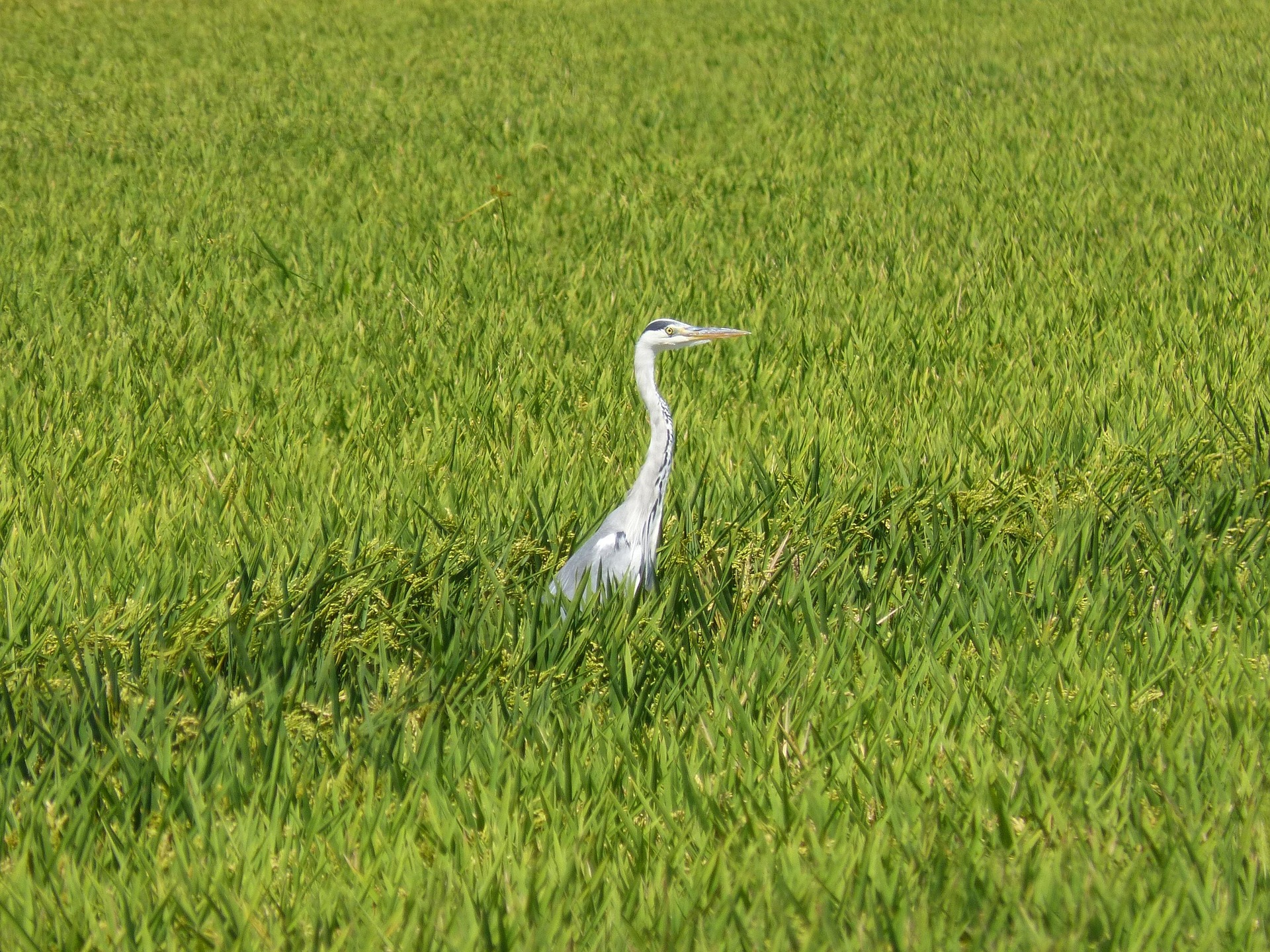
Although many visitors come to the area in search of beaches and sun, the true treasure of the Ebro Delta lies in its protected wetlands. — This is something that the people of La Ràpita, like you, are well aware of —. In this article, we will explore the freely accessible and restricted areas, the opening hours of the interpretation centres, and the basic rules for visiting these highly valuable natural spaces.
Introduction to the Wetlands of the Ebro Delta
The Ebro Delta Natural Park, as it is known in Catalan, is a protected area that encompasses a wide variety of ecosystems, including lagoons, deltas, and marshes. These wetlands are not only important for local biodiversity, but also play a crucial role in regulating the climate and protecting the coastline. As a resident of La Ràpita, you have grown up surrounded by this natural beauty and understand how valuable it is to conserve it.
Open Access Areas
- La Platja del Trabucador: One of the most extensive and least urbanised beaches on the Costa del Azahar. Ideal for those seeking a natural environment without the typical services of urban beaches. It is just a 12-minute drive from Sant Carles de la Ràpita, approximately 10 km away. Last year, when the mistral had been blowing for three days straight, this beach was the perfect place to feel the force of the wind and the majesty of the sea.
- Les Salines: An area of great natural interest where you can observe birds and enjoy the unique landscape created by the old salt pans. About 10 km from La Ràpita, it is accessible by car or bike. Go early, before it gets too hot, and bring binoculars to see the birds in their natural habitat.
Restricted Access Areas
- La Encanyissada: An area of special protection due to its importance as a habitat for migratory and resident birds. Access is restricted to protect the fauna, but guided visits can be arranged during certain periods of the year, typically from October to March. It is crucial to respect these restrictions to avoid disrupting the delicate balance of nature.
- El Cort de Randa: A riverbed that flows into the Bahía de los Alfacs, known for its biodiversity and an ideal spot for birdwatching. Although access is not completely restricted, it is recommended to visit with local guides to minimize the impact on the ecosystem. This way, you can learn about the flora and fauna of the area and appreciate its beauty without causing harm.
Interpretation Centres
- The Ebre Interpretation Centre: Located in Deltebre, it provides an overview of the Natural Park and its ecosystems. The opening hours vary depending on the season, but it is generally open from Tuesday to Sunday from 10am to 2pm and from 4pm to 6pm, from April to September, and from 10am to 2pm, from October to March. It is a good place to start your adventure in the Delta, as it will give you a clear idea of what to expect.
- La Casa de Fusta: In the heart of the delta, near the mouth of the Ebro river, it offers information about the flora and fauna of the area, as well as traditional activities such as fishing and rice farming. It is approximately 5 km from Deltebre. La Casa de Fusta is a welcoming place where you can learn about the history and culture of the area.
Basic Rules for Visitors
- Respect the hours and restricted areas: This is essential for the conservation of ecosystems and the protection of wildlife. Do not risk damaging the natural environment; instead, enjoy the accessible areas and let nature surprise you.
- Do not feed the animals: This can be harmful to their health and disrupt the balance of the ecosystem. Keep your hands and food to yourself; animals have their own food in nature.
- Do not litter: Help keep natural spaces clean and protect wildlife. Take your trash back home or deposit it in the appropriate containers.
Frequently Asked Questions
What is the best time to visit the Ebro Delta?
Spring and autumn are, without a doubt, the best times to visit. The climate is more pleasant and it is the migration season for many bird species. If you can, visit during these seasons; the experience is even more enriching.
Are there accommodation options near the Natural Park?
Yes, there are several options in and around Sant Carles de la Ràpita and Deltebre, ranging from apartments to hotels and rural houses. Lo Peix Apartments, for example, offers comfortable and well-equipped apartments, just a 2-minute walk from the port of La Ràpita. It is perfect for families or groups of up to 4 people.
How much does it cost to stay in the area?
Prices vary depending on the season and type of accommodation. In the low season, an apartment like the one offered by Lo Peix Apartments can cost around 80€ per night, while in the high season, the price can rise to 120€ or more per night. It is worth researching to find the best deal.
To get to the Ebro Delta, it is recommended to rent a car from Reus airport (45 minutes) or Tarragona. Compare prices and book your car here →
Conclusion
Visiting the protected wetlands of the Delta del Ebro is an experience that will allow you to connect with nature in a unique way. With its freely accessible and restricted areas, interpretation centres, and basic rules for visitors, this destination is ideal for those seeking an ecological and cultural adventure. Plan your visit in advance, respect the natural environment, and enjoy the beauty and richness that the Delta del Ebro has to offer. By choosing Lo Peix Apartments as your place of stay, you will be close to the action and able to enjoy comfortable and well-equipped accommodation, ready for you to explore this incredible natural park. Enjoy your adventure in the Delta del Ebro to the fullest.
(This article contains affiliate links. If you book through them, we receive a small commission at no additional cost to you. It helps us maintain the blog.)